Is Low Testosterone Affecting Your Marriage? A Guide for Partners
By drvadmin

It often starts subtly: a missed date night due to exhaustion, a gradual decline in physical affection, or a shortening of temper over minor inconveniences.
Over time, these small shifts can accumulate, creating a chasm between partners that feels like a fundamental loss of love or compatibility. Many spouses find themselves asking if their partner has lost interest, is depressed, or if the relationship has simply run its course. However, the root cause may not be emotional or relational at all, but biological. Low testosterone, or hypogonadism, is a pervasive medical condition that can systematically dismantle the pillars of a healthy marriage—intimacy, communication, and shared energy—often without either partner realizing a hormone imbalance is to blame.
This guide explores the profound impact of low testosterone on relationship dynamics, helping partners identify the difference between falling out of love and falling out of hormonal balance. By understanding the physiological drivers behind mood changes, low libido, and fatigue, couples can navigate the path toward medical solutions and restored vitality.
The Invisible barrier: Understanding Hormones and Relationship Dynamics
Hormones are the chemical messengers that regulate distinct bodily functions, including mood, energy levels, and sexual drive. When testosterone levels decline below healthy physiological ranges, the effects ripple outward, impacting not just the individual, but the entire family unit. Low testosterone marriage problems often manifest as a confusing mix of apathy and irritability. A man suffering from low testosterone may feel a pervasive sense of brain fog or lack of motivation, which a partner might interpret as laziness or a lack of investment in the relationship. <br><br> It is crucial to recognize that testosterone is not merely a sex hormone; it is a vital component of mental health and cognitive function. Research indicates that optimal testosterone levels support confidence, decisiveness, and emotional stability. When these levels drop, the resulting personality shifts can be jarring. A partner who was once engaged and energetic may become withdrawn and passive. Dr. Vuslat Muslu Erdem, a board-certified Internal Medicine physician, often notes that patients seeking help at the Kelsey-Seybold Clinic are frequently unaware that their relationship struggles are symptoms of an underlying physiological deficiency. Recognizing these signs is the first step toward reclaiming the relationship dynamics that existed before the hormonal decline began.
- Hormones influence emotional availability and patience.
- Physical symptoms often translate into relational friction.
- Partners may misinterpret medical symptoms as behavioral choices.
The Biology of Behavior
Testosterone receptors are located throughout the brain, particularly in areas regulating emotion and behavior. When these receptors are deprived of adequate stimulation, neurochemistry changes. This can lead to increased susceptibility to stress and a decreased ability to handle daily frustrations. For a spouse, this might look like a partner who 'snaps' easily or withdraws into silence. Understanding that this behavior has a biological underpinning can help shift the perspective from blame to empathy, opening the door for constructive conversations about health.
The Intimacy Gap: Libido, Performance, and Connection
One of the most widely recognized but sensitive symptoms of low testosterone is sexual dysfunction. This encompasses low libido (sex drive) and erectile dysfunction (ED). In the context of a marriage, a sudden or gradual cessation of physical intimacy can be devastating. Partners often internalize this rejection, wondering if they are no longer attractive or if there is infidelity involved. However, for a man with low testosterone, the desire may simply not be there, or the body may fail to respond despite the mind's willingness. <br><br> This disconnect creates a feedback loop of anxiety and avoidance. The partner with low T may avoid physical touch—even hugging or hand-holding—fearful that it might lead to an expectation of sex that they cannot fulfill. This avoidance is often misinterpreted as a loss of emotional affection. Hormone optimization therapies aim to address these physiological barriers. By restoring testosterone to optimal levels, many patients report not only a return of sexual function but a renewed desire for connection and physical closeness. It is important to differentiate between a relationship rut and a medical inability to perform or feel desire. When the issue is hormonal, traditional marriage counseling may not yield results until the underlying biological deficit is corrected.
- Low libido is a chemical absence of drive, not a choice.
- Performance anxiety can lead to total avoidance of affection.
- Restoring hormone levels can revitalize physical intimacy.
Breaking the Silence on ED
Erectile dysfunction remains a stigmatized topic, yet it is a common medical symptom of hormonal imbalance and cardiovascular issues. When open communication is replaced by shame, the relationship suffers. Board-certified physicians emphasize that ED is a medical marker, much like high blood pressure, and warrants professional evaluation rather than silence. Discussing these symptoms as medical issues rather than personal failures can alleviate the emotional burden on both partners.

The Fatigue Factor: When 'Lazy' Is Actually Low T
Fatigue is perhaps the most insidious symptom of low testosterone because it is easily dismissed as a result of aging, work stress, or poor sleep habits. However, the fatigue associated with hypogonadism is profound and persistent. It is not merely feeling tired; it is a lack of vitality and stamina. In a marriage, this often looks like a partner who comes home from work and immediately hits the couch, refusing to participate in household chores, family outings, or social events. <br><br> Spouses often bear the brunt of this energy deficit, taking on a disproportionate share of domestic responsibilities. This imbalance breeds resentment. The partner with low T is not necessarily trying to avoid work; they physically lack the metabolic drive to engage. Testosterone plays a key role in red blood cell production and muscle maintenance. Without it, physical exertion feels significantly harder. Patients treated at the Fort Bend Campus often describe the treatment outcome as 'waking up' after a long slumber. Recognizing that this lethargy is a treatable medical condition can save a marriage from the toxicity of chronic resentment. Instead of labeling a partner as 'lazy,' viewing them as 'medically fatigued' changes the approach from criticism to care.
- Chronic fatigue differs from normal tiredness.
- Unequal household burdens can stem from hormonal energy deficits.
- Treatment often restores the energy needed for shared activities.
Loss of Competitive Drive and Ambition
Testosterone is often linked to the drive to achieve and succeed. A significant drop in levels can manifest as apathy toward career goals or hobbies that used to bring joy. A partner who stops playing sports, working on projects, or striving for promotion may be experiencing the blunting effects of low hormones. This loss of 'zest for life' impacts the couple's shared future and lifestyle, making the relationship feel stagnant.

Emotional Volatility: The 'Grumpy Old Man' Syndrome
While women's hormonal fluctuations during menopause are widely discussed, men's hormonal moods are often overlooked. Low testosterone is strongly linked to irritability, anxiety, and depression. This is sometimes colloquially referred to as 'Irritable Male Syndrome.' In a domestic setting, this manifests as a partner who is perpetually grumpy, pessimistic, or short-tempered. Small stressors that were previously manageable now trigger disproportionate reactions. <br><br> Living with someone who is constantly negative or on edge is exhausting. Spouses may feel like they are 'walking on eggshells' to avoid setting off a bad mood. This dynamic erodes communication and safety within the relationship. Studies have shown that men with low testosterone are more likely to be diagnosed with depression. However, antidepressants alone may not solve the problem if the root cause is hormonal. Comprehensive blood panels can reveal if these mood disorders are linked to low T. Restoring hormonal balance often stabilizes mood, bringing back the easy-going, resilient partner that existed before the imbalance took hold. For those interested in learning more about the intersection of hormones and mental health, the health blog offers additional resources and articles.
- Low T is linked to increased irritability and anxiety.
- Mood swings can create a hostile home environment.
- Hormonal stabilization is a key component of mental health treatment.
Depression vs. Low Testosterone
Symptoms of low testosterone and clinical depression overlap significantly: fatigue, sadness, sleep disturbance, and loss of interest. It is vital for healthcare providers to distinguish between the two. Treating a hormonally deficient patient solely with antidepressants may mask symptoms without addressing the cause. A thorough evaluation by a specialist like Dr. Vuslat Muslu Erdem ensures that the treatment plan targets the correct physiological mechanism.
Navigating the Conversation: How to Help Your Partner
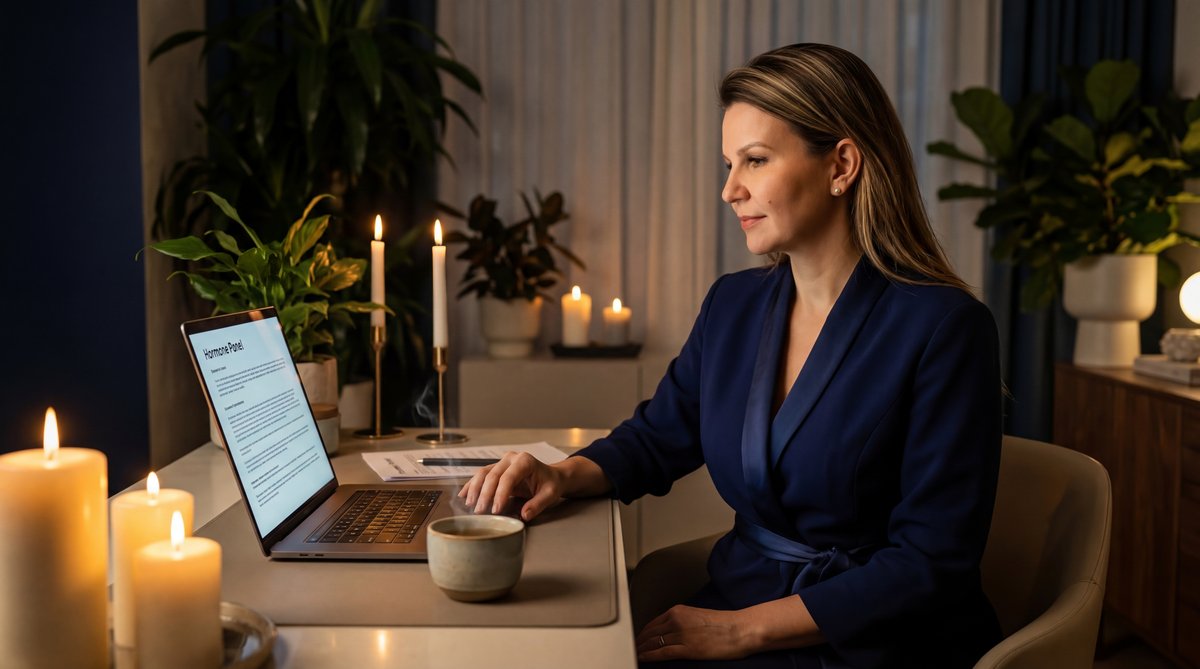
Raising the topic of low testosterone can be delicate. Men may feel defensive, viewing the suggestion as an attack on their masculinity or virility. Therefore, the approach matters immensely. Rather than framing the conversation around complaints ('You never want to have sex,' 'You are always tired'), experts suggest framing it around health and longevity. Using 'I' statements can reduce defensiveness. For example: 'I've noticed you seem really exhausted lately and haven't been yourself. I'm worried about your health and think it might be worth getting a check-up to see if everything is balanced.' <br><br> Encouraging a partner to see a primary care physician or an internal medicine specialist allows for a neutral, medical assessment. It removes the pressure of 'fixing the marriage' and replaces it with 'fixing the health issue.' Offering to go to the appointment together can also show support. Once a diagnosis is made, the treatment path—whether it involves gels, injections, or pellets—becomes a shared journey toward better quality of life. Understanding that help is available at reliable institutions like Kelsey-Seybold Clinic provides a tangible next step. The goal is to partner against the problem, rather than letting the problem divide the partnership.
- Focus on health and vitality, not relationship deficits.
- Avoid accusatory language to prevent defensiveness.
- Position the doctor's visit as a general health check-up.
Supporting the Treatment Journey
Once treatment begins, patience is required. Hormone replacement therapy is not an overnight fix; it can take weeks or months to dial in the correct dosage and feel the full benefits. Partners play a crucial role in monitoring changes in mood and energy during this adjustment phase. Being an active participant in the process reinforces the commitment to the relationship and the partner's well-being.
Medical Solutions: Beyond the Stigma
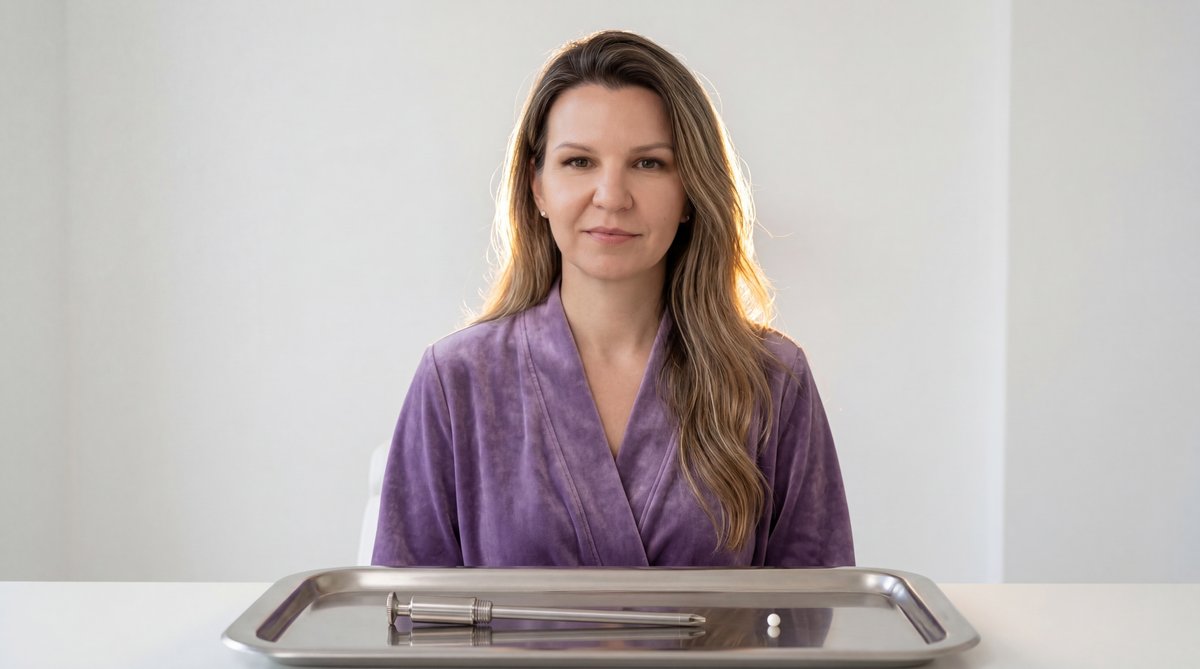
Modern medicine offers sophisticated options for managing hormone health, moving far beyond the crude treatments of the past. Bioidentical Hormone Replacement Therapy (BHRT) utilizes hormones that are chemically identical to those the body produces naturally. Treatment is highly individualized based on blood work, symptoms, and lifestyle. Options range from topical creams and gels to injections and subcutaneous pellet therapy. Each method has its own set of advantages, and the choice depends on patient preference and medical advice. <br><br> It is important to consult with a board-certified Internal Medicine physician who specializes in hormone health to ensure safety and efficacy. Indiscriminate use of testosterone supplements found online or at non-medical facilities can be dangerous. Proper medical supervision ensures that benefits—such as improved muscle mass, bone density, mood, and libido—are maximized while risks are minimized. Dr. Vuslat Muslu Erdem provides expert guidance at Kelsey-Seybold Clinic, helping patients navigate these options safely. Restoring physiological balance is often the catalyst needed to restore the emotional and physical bond in a marriage.
- BHRT offers customizable treatment paths.
- Medical supervision is essential for safety.
- Treatment aims to restore natural physiological levels.

Conclusion
Low testosterone acts as a silent disruptor in many marriages, eroding intimacy, patience, and shared joy. What often appears as a relational failure is frequently a treatable medical condition. By recognizing the symptoms of fatigue, mood instability, and sexual dysfunction as potential signs of hormonal imbalance, couples can stop blaming each other and start seeking solutions.
Recovering the vitality of a relationship often begins with recovering the vitality of the individuals within it. With proper diagnosis and compassionate care, partners can look forward to a healthier, more connected future together.
For those concerned about symptoms of hormonal imbalance, talk to your doctor. Patients can schedule an appointment with Dr. Vuslat Muslu Erdem at Kelsey-Seybold Clinic, Fort Bend Campus, to discuss comprehensive hormone health options.
Frequently Asked Questions
Can low testosterone cause relationship problems?
Yes, low testosterone can significantly impact relationships by causing symptoms like low libido, erectile dysfunction, irritability, fatigue, and mood swings. These physical and emotional changes can lead to communication breakdowns and a loss of intimacy between partners.
What are the first signs of low testosterone in a partner?
Common early signs include a noticeable drop in energy levels, lack of interest in hobbies or sex, increased irritability or sadness, and difficulty concentrating. A partner might seem withdrawn or 'lazy' when they are actually suffering from medical fatigue.
How can I tell if my husband is depressed or has low testosterone?
The symptoms of depression and low testosterone overlap significantly. Both can cause sadness, fatigue, and withdrawal. The only way to definitively distinguish between the two is through a comprehensive blood panel ordered by a physician to measure hormone levels.
Is hormone replacement therapy safe?
Bioidentical Hormone Replacement Therapy is generally considered safe when prescribed and monitored by a board-certified physician. Like all medical treatments, it carries risks and benefits that should be discussed in a detailed consultation with a healthcare provider.
How do I make an appointment for hormone therapy assessment?
Patients can schedule a consultation with Dr. Vuslat Muslu Erdem at the Kelsey-Seybold Clinic, Fort Bend Campus in Sugar Land, TX. It is recommended to request a full hormone panel during the visit.
Hormone therapy carries risks and benefits that should be discussed with your healthcare provider. This content is educational and does not constitute medical advice or recommendation for treatment.